Detailed Software Architecture Series:
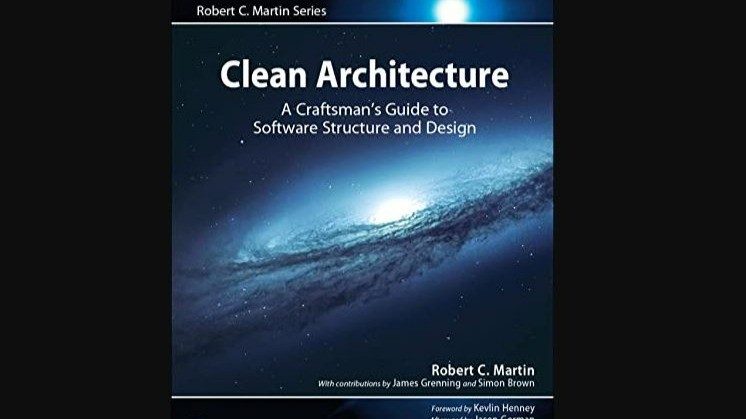
Clean Architecture Book (Photo Credit: Google)
Book Introduction
“Clean Architecture: A Craftsman’s Guide to Software Structure and Design” by Robert C. Martin mainly highlights the importance of good software architecture. Also how critical role it plays in the longevity and maintainability of a system. He argues that software architecture is not just about writing code that works but about writing code that is easy to change, test, and scale over time. The book advocates for a set of principles and practices that help developers and architects create systems which can evolve without becoming brittle or overly complex. Martin stated that clean architecture is essential for building software that is both functional and sustainable at a time. Clean architecture requires discipline, a solid understanding of key design principles, and a commitment to long-term quality.
About Author
Robert C. Martin (commonly known as “Uncle Bob”) is a renowned figure in the software engineering community, known for his contributions to software design, development methodologies, and programming principles. He has authored several influential books, including Clean Code, The Clean Coder, and Clean Architecture, all of which focus on promoting best practices and craftsmanship in software development.
He is also a co-founder of the Agile Alliance and played a significant role in the development of the Agile Manifesto, which has shaped modern software development practices. With decades of experience in the field, he is also a famous speaker and instructor, sharing his insights on topics such as software architecture, design patterns, and clean code principles.
High Level Overview
“Clean Architecture: A Craftsman’s Guide to Software Structure and Design” by Robert C. Martin provides a comprehensive exploration of the principles, patterns, and practices needed to build robust, maintainable, and scalable software architectures. The book outlines a disciplined approach to structuring software systems, with a focus on keeping the design clean and flexible in the face of changing requirements.
At its core, Clean Architecture advocates for a separation of concerns, where different components of a software system are isolated from one another in a way that ensures flexibility, testability, and independence. The main concept this book try to figure out that how to deal with change and how should inner components be independent from outer component.
Key Takeaways
- Separation of Concerns: The primary principle of clean architecture is to separate different aspects of a software system into distinct layers, where each layer has a specific responsibility. This ensures that changes to one part of the system don’t adversely affect others, promoting flexibility and scalability.
- The Dependency Rule: Dependencies in a system should always point inward, with lower-level details (like UI or database code) depending on higher-level business rules, not the other way around. This structure enables easier maintenance and adaptability as requirements evolve.
- SOLID Principles: The book reinforces the SOLID principles, five design principles that help create maintainable, flexible, and scalable object-oriented systems. They guide developers to create code that is easy to extend, modify, and test.
- Use of Design Patterns: Clean architecture encourages the use of well-known design patterns, such as Dependency Injection, the Repository pattern, and others, to achieve loosely coupled and highly testable software systems.
- Testability: A key takeaway is that a well-architected system is one that is easy to test. By ensuring clear separation between the system’s components and following the Dependency Rule, unit testing becomes more straightforward, which is crucial for long-term maintainability.
- Independence of Frameworks: Good architecture should be independent of frameworks. Frameworks should be tools that can be replaced without affecting the business logic of the application. This makes the system more adaptable to changes in technology over time.
- Keep Business Logic Pure: The core business logic should be independent of other concerns, like user interfaces or database interactions. This allows the business rules to evolve without being tied to specific technologies or frameworks.
- Code is Always Evolving: The book stresses that software is a living system. Over time, software will change, and the architecture should support and facilitate these changes without becoming difficult to modify or maintain.
- Maintainability Over Short-Term Gains: While making short-term trade-offs may speed up development, clean architecture prioritizes long-term maintainability, even if it requires additional effort upfront. This prevents future technical debt and makes systems easier to evolve.
- Professional Craftsmanship: The book bolded the importance of being a skilled software craftsman. Developers should always aim to improve their craft, producing software that is not only functional but also clean, testable, and sustainable over time.
Conclusion
In conclusion, Clean Architecture by Robert C. Martin provides essential principles and practices for designing software systems that are maintainable, scalable, and adaptable to change. By emphasizing separation of concerns, the Dependency Rule, and the SOLID principles, the book empowers developers and architects to create systems that are robust and resilient over time. It encourages a disciplined approach to software craftsmanship, highlighting the importance of long-term maintainability over short-term gains. Following these practices helps ensure that software remains flexible, testable, and easy to evolve, ultimately leading to higher-quality and more sustainable systems.