Detailed Software Architecture Series:
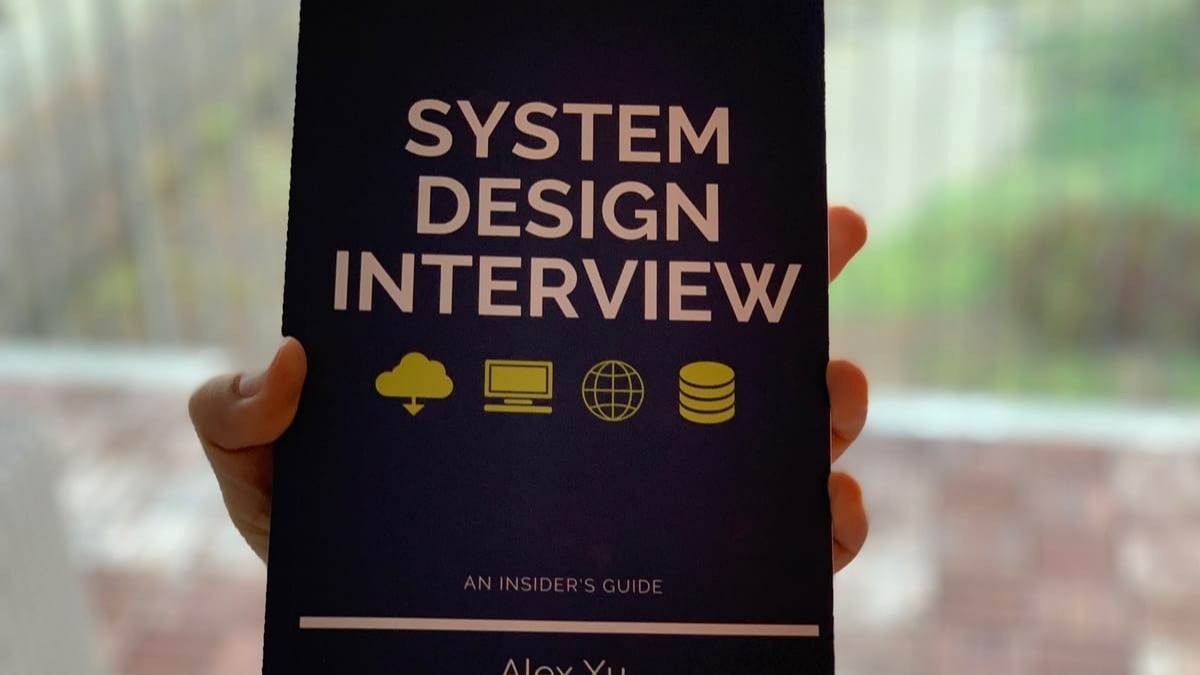
System Design Interview Book (Photo Credit: bytebytego)
Book Introduction
“System Design Interview - An insider’s guide” written by Alex Xu, is a practical guide designed to help software engineers and technical professionals prepare for system design interviews. The book provides a structured approach to solving system design problems, covering key concepts such as scalability, performance, and reliability. Through real-world case studies and step-by-step frameworks, Xu walks readers through designing large-scale systems like URL shorteners and file storage systems. The book focuses on developing a systematic thinking process to tackle complex design problems, offering practical tips, design principles, and strategies for succeeding in system design interviews.
About Author
Alex Xu is a software engineer and system design expert with years of experience working in the tech industry. He has held roles at leading technology companies, where he has contributed to the design and development of large-scale systems. His deep understanding of system architecture, scalability, and high-performance system design has made him a famous voice in the field.
Beyond his professional experience, Alex Xu is known for his ability to break down complex technical topics into accessible, practical knowledge. This skill is showcased in this book, where he offers clear explanations, frameworks, and real-world case studies aimed at helping aspiring engineers excel in system design interviews. Besides this he run a very famous newsletter named “ByteByteGo”.
High Level Overview
“System Design Interview - An insider’s guide” by Alex Xu, is a extensive guide aimed at preparing individuals for system design interviews, particularly those in tech companies. The book is structured to offer a step-by-step approach to understanding key concepts, frameworks, and techniques for solving complex system design problems.
Key Themes and Concepts:
- System Design Fundamentals: The book begins by laying a solid foundation of system design principles, such as scalability, reliability, maintainability, and efficiency. It introduces concepts like load balancing, caching, database management, and networking.
- Framework for Solving Design Problems: Alex Xu describes a systematic approach to tackling system design questions, encouraging readers to break down problems, make trade-offs, and prioritize requirements. He presents a framework for approaching these interviews methodically like: Clarify the problem, Ask about requirements, Propose high-level designs, and Dive into the details.
- Case Studies: The book is filled with real-world case studies of large-scale systems. Xu explores the design of systems like URL shorteners, file storage systems, and chat applications, providing detailed insights into how each part of the system works. These examples serve as templates for how to approach similar problems in interviews.
- Practical Advice: Xu offers practical tips for interviewees, such as the importance of explaining your thought process clearly, managing time effectively during the interview, and making smart trade-offs based on constraints like cost and complexity.
- Iterative Design: The book encourages iterating on system designs, refining them based on feedback, and considering aspects like fault tolerance and failure recovery. This iterative approach mirrors how systems are developed and optimized in real-world scenarios.
Key Takeaways
Understand Core System Design Principles:
- To succeed in system design interviews, it’s essential to have a strong grasp of core concepts like scalability, availability, fault tolerance, load balancing, caching, and database management.
- Understanding these principles helps in making decisions that ensure a system can handle real-world usage while maintaining performance and reliability.
Adopt a Structured Approach to Problem Solving:
Alex Xu describes the importance of following a clear framework when tackling system design problems. The approach is:
- Clarify the problem: Ensure you fully understand the requirements and constraints before diving into a solution.
- Break down the system: Focus on the high-level components and how they interact.
- Design iteratively: Start with a basic solution and then refine it by adding necessary features and optimizations.
- Think about scalability: Always consider how your design will scale as demand increases.
- Evaluate trade-offs: Make informed decisions on factors like complexity, cost, and performance.
Master Key Components of System Design:
A good system design often involves components like:
- Databases: Know when to use SQL vs. NoSQL and how to design for high availability and consistency.
- Caching: Implement caching strategies to improve performance and reduce load.
- Load Balancing: Distribute traffic efficiently across servers to avoid bottlenecks.
- Sharding and Partitioning: Break down large datasets or systems into smaller, manageable parts to improve performance and scalability.
- Messaging Systems: Use queues and asynchronous processing to manage high-volume requests and improve reliability.
Designing for Real-World Constraints:
- Real-world systems are often complex and require you to consider a range of factors such as cost, time, and resources. A key takeaway is the importance of making trade-offs to balance the ideal with practical constraints.
- Designing for failure is also critical. Understanding how to handle downtimes, redundancy, and data recovery can make a system more resilient.
Practice with Real-World Case Studies:
- The book provides a series of real-world system design examples, such as designing a URL shortener, a file storage system, or a messaging platform. These case studies help demonstrate how the theoretical principles are applied in practice.
- These examples teach readers how to break a problem into smaller sub-problems, come up with high-level solutions, and then drill into the details to refine and optimize the design.
Communicate Clearly During Interviews:
- It’s not just about coming up with a solution but also about communicating it effectively. Alex Xu highlights the importance of explaining your thought process step-by-step and justifying your decisions during an interview.
- The ability to discuss trade-offs, present alternatives, and engage in technical discussions is just as important as the final design itself.
Iterate and Improve Designs:
- System design is an iterative process. Often, the first solution is a starting point, and improvements are made based on feedback, constraints, and testing. This approach mirrors the real-world development cycle, where systems are continuously optimized.
Prepare for the Interview Environment:
- Technical interviews often have time constraints, so managing time and being concise is key. Xu provides insights on how to effectively manage time while still covering the essential aspects of the design.
- Additionally, being comfortable with whiteboard or digital tools and practicing mock interviews are useful strategies to build confidence.
Conclusion
In conclusion, “System Design Interview - An insider’s guide” by Alex Xu is an essential resource for anyone preparing for system design interviews. The book provides a structured approach to understanding complex system design concepts, emphasizes practical strategies for solving real-world problems, and offers valuable insights into communicating designs effectively. With its clear explanations, case studies, and focus on iterative problem-solving, it equips readers with the knowledge and approach they need to confidently tackle system design challenges in interviews and beyond. Whether you’re a beginner or looking to refine your skills, this book is an invaluable guide to mastering system design.