Other Parts of This Series:
- Part 3: All About Software Engineering: Part 3 (Involved Parties At Different Stages Of SDLC)
- Part 5: All About Software Engineering: Part 5 (Possible Solutions for Most Faced Software Engineering Challenges)
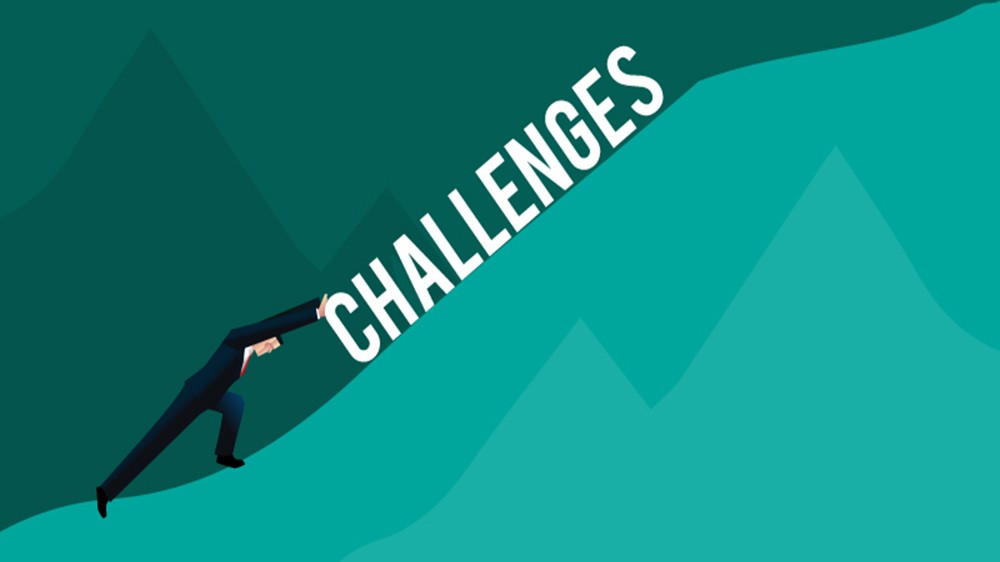
Modern Software Engineering Challenges (Photo Credit: opportunityindia.com)
In this series, we try to explore software engineering in a modern way. We will try to learn the different software engineering aspects one by one. In this part, we try to explore the software engineering challenges.
So let’s get started…
Story
Shuvo and Tapu are now more aware of the fundamentals of software engineering, as well as the parties and responsibilities engaged in the various stages of the software development life cycle. However, they are now interested in the most common challenges associated with modern software engineering so that they may take the appropriate action and find solutions if they encounter them as well.
The Most Common Challenges Associated with Modern Software Engineering:
Modern software engineering is a complex and dynamic field, presenting various challenges. To do well, we must keep aware of these problems so that we can overcome them when we face them. As I said earlier, the challenges or problems are so dynamic that it’s impossible to pinpoint all of them beforehand. But here are some of the most common ones:
Rapid Change
- Technological change: Keeping up with the rapid pace of technological advancements can be challenging. New languages, frameworks, tools, and methodologies constantly emerge, requiring continuous learning and adaptation.
- Requirement change: Rapid requirement change due to market and user need is also a most significant challenge.
- People change: For large and long-running projects, team and team member changes can harm or affect system development if not maintained correctly.
Compliance, Regulation and Security
- Compliance: Keeping up and maintaining local and worldwide compliance is really very hard.
- Regulation: Creating, updating, and maintaining regulation that fits for all is challenging. It involves lots of research and planning.
- Security: Ensuring working device, network, and system security is a crucial and challenging task.
Managing Complexity
- System complexity: Modern software systems are often highly complex, consisting of numerous interconnected components. Managing this system complexity is another challenge in today’s software engineering. Due to complex logic and day-by-day feature adjustment, our system becomes too complex to manage.
- Large cross-functional team complexity: As I mentioned in the previous part of this series, in a big company, many different functional teams work together in SDLC. So managing the complexity of this different functional and mindset team is another challenge.
Scalability
- System scaling: Designing software that can scale efficiently as the user base grows is a significant challenge. This involves both horizontal and vertical scaling, ensuring that performance remains optimal under increased load.
- Team scaling: A large system is being developed for a large business. And this large system needs a large team. So scaling this team on an as-needed basis is a challenging part.
Managing Development Process
- Project management: Effectively managing software projects, particularly large ones, involves coordinating between teams, meeting deadlines, staying within budget, and adapting to changing requirements.
- Agile and Scrum: Effectively implementing agile methodologies and ensuring continuous iterative progress of software is not a cup of tea.
Addressing Human Factors
- Talent acquisition and shortage: Finding and retaining skilled software engineers with the necessary expertise and experience is a common challenge.
- Team collaboration: Coordinating work among distributed teams across different time zones and cultures is challenging. Not only distributed teams but also in-house team collaboration becomes hard sometimes.
- Leading a team effectively: Leading and managing a large group of people in a team with different mindsets is really a hard job. Team leads need to manage them effectively.
Ensuring User Expectation and Quality
- Meet user expectations: Meeting the high expectations of users for intuitive, responsive, and aesthetically pleasing interfaces. Managing the addition of new features without compromising the core functionality or quality of the software.
- Ensure quality: Ensuring the reliability, performance, and usability of software through rigorous testing and quality assurance practices.
Dealing and Managing User Data
- Ensure user data security: User data is something that should be treated with high importance, and you should always make sure of its security. It should be kept private to its owner only.
- Manage large volumes of data: Handling large volumes of data efficiently and extracting meaningful insights through data analytics and machine learning.
Rapid Implementation and CI/CD
- Fast implementation: Implementing, coding, and developing features with short analysis due to time to market and business needs is problematic but often happens.
- CI/CD and infrastructure management: Ensuring the right level of CI/CD and the right choice of infrastructure and its management is often challenging and tricky.
- Ensure availability: Ensuring system availability in case of failure or high load is a necessary and challenging task.
Working With Legacy System Parallelly
- Maintain legacy system: For business purposes, sometimes we need to maintain a very large legacy system, which is problematic.
- Legacy system migration: And strategically migrating legacy systems to new platforms without disrupting business operations is challenging.
- Integrating with legacy systems: Integrating new software with existing legacy systems can be difficult due to compatibility issues, outdated technology, and lack of documentation.
Ethical Considerations
- Ethical use of technology: Ensuring that software is developed and used ethically, addressing concerns such as bias in algorithms and the societal impact of automation and AI.
- Digital inclusion: Designing software that is accessible to all users, including those with disabilities, and addressing the digital divide.
Tradeoff Decision
- Cost vs. performance tradeoff: Sometimes we need to balance between cost and performance.
- Deadline vs. best practice tradeoff: Sometimes for a hard deadline, we face some situations when we need to sacrifice the best practices.
AI Wave
- AI tools adaptation, new workflows: AI tools require teams to adapt to new workflows and development practices.
- Quality, security risks and ethical: AI introduces significant quality, security, and ethical risks in software development.
- Lack of skills, operational and industry standards: AI exposes gaps in skills, operations, and industry standards needed for reliable adoption.
And more. There are lots of other problems associated with modern software engineering.
Summary:
I hope you can see how complicated current software engineering is from the explanation above. Every day at work, new and varied difficulties emerge because of various circumstances. Therefore, we must be well-prepared to deal with such.
Insha Allah, in the next part, I will try to explain the possible solutions to the above-mentioned problems.