Detailed Software Engineering Series:
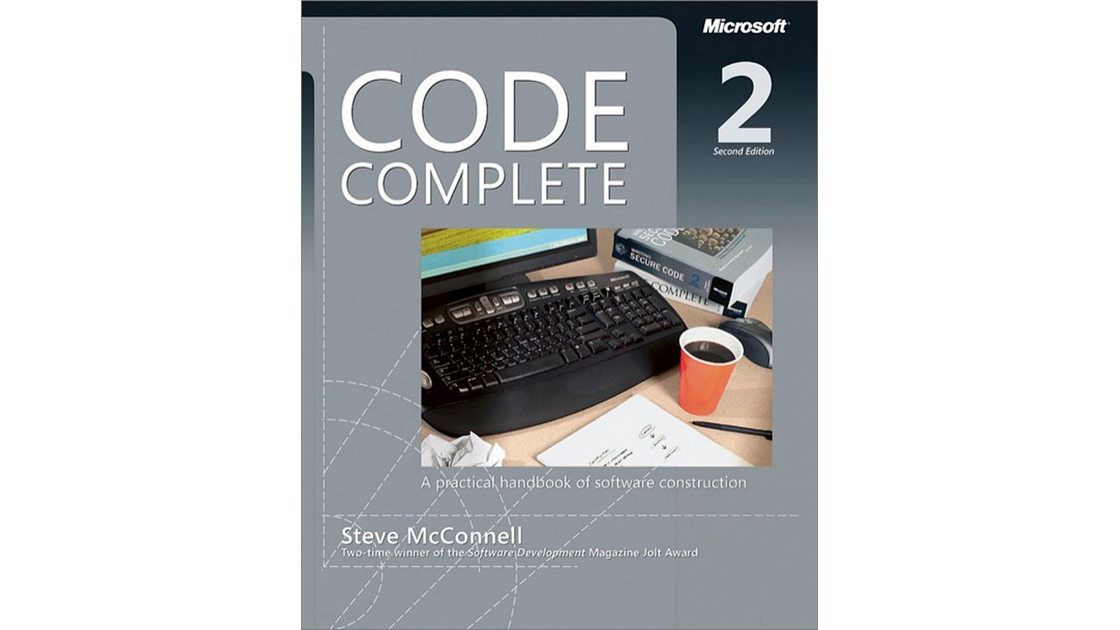
Code Complete Book (Photo Credit: o’reilly)
Book introduction
“Code Complete” by Steve McConnell is a seminal book in the software development field, often considered a must-read for programmers of all levels. It is a huge book with 850+ pages. This book specially focuses on software construction (development and implementation) from years of experience of software engineers and several books.
The book is divided into seven parts, each addressing different stages of the software development process, from design to testing. It delves into the intricacies of software construction, providing readers with a comprehensive guide on how to write robust, maintainable, and efficient code. The book is rich with practical advice, covering everything from design patterns and debugging techniques to best practices for code formatting and testing.
Originally published in 1993, this book has become a classic in the fields of software construction.
About Author
Steve McConnell is a highly respected figure in the software development community, known for his influential work in software engineering and project management. He has authored several best-selling books, such as “Code Complete,” “Rapid Development,” “Software Estimation: Demystifying the Black Art,” etc.
McConnell’s background is rooted in computer science, and his career has spanned multiple decades, during which he has worked in various roles, including software developer, project manager, and consultant.
High-level Overview
“Code Complete” is divided into seven parts, each addressing different stages of the software development process, from design to testing. The primary goal is to help developers improve their programming skills by emphasizing the importance of thoughtful design, rigorous testing, and continuous improvement.
Part 1: Laying the Foundation
Here, setting the stage for what software construction entails, explains that software construction is not just about writing code but involves a variety of activities, including design, coding, debugging, and testing. The Author introduces the concept of software craftsmanship, advocating that good software is the result of skill, experience, and attention to detail.
Part 2: Creating High-Quality Code
This section dives into the practices that lead to high-quality code and covers coding standards, style guides, and best practices that make code more readable, maintainable, and less prone to errors. Also discusses the importance of meaningful naming conventions, code layout, and consistency in code style.
Part 3: Variables
This part explores how to use variables effectively and discusses data types, variable scope, initialization, and lifetime. This section emphasizes the importance of choosing the right data structures and algorithms for the task at hand.
Part 4: Statements
This part, examines control structures, loops, and conditionals. Also provides advice on how to write clear and efficient control flow statements and emphasizes the importance of avoiding complex conditional logic.
Part 5: Improving Code Quality
This section focuses on strategies for improving the quality of code through debugging, testing, and code reviews. Besides, provides a detailed guide on how to approach debugging and how to write effective unit tests.
Part 6: System Considerations
McConnell discusses how individual pieces of code fit into the larger system. He covers integration, software architecture, and system design. The focus here is on writing code that is not only correct but also fits well with other parts of the system.
Part 7: Software Craftsmanship
In the final part, McConnell revisits the theme of software craftsmanship, emphasizing the importance of continuous learning and improvement. He encourages developers to seek out knowledge, learn from experience, and refine their skills over time.
Insights and Learning
Chapter 1: Welcome to Software Construction
- Software construction is the central activity in software development, encompassing design, coding, debugging, and testing.
- Quality must be built into the software from the beginning; it cannot be added later.
- Understanding the problem before coding is crucial.
Chapter 2: Metaphors for a Richer Understanding of Software Development
- Metaphors like “construction” and “craftsmanship” help illustrate the complexities of software development.
- Viewing coding as construction emphasizes the importance of solid foundations, good design, and careful execution.
Chapter 3: Measure Twice, Cut Once: Upstream Prerequisites
- Proper planning and design lead to better code and fewer defects.
- Requirements gathering, system architecture, and design should be thorough and precise.
Chapter 4: Key Construction Decisions
- Decisions regarding programming languages, tools, and environments significantly impact the final product.
- Consider the trade-offs in choosing languages and tools, focusing on maintainability, scalability, and team familiarity.
Chapter 5: Design in Construction
- A well-thought-out design simplifies coding and reduces the likelihood of errors.
- Focus on modularity, reusability, and clarity in design.
Chapter 6: Working Classes
- Classes should represent a single concept or entity and be designed with future changes in mind.
- Encapsulation and abstraction are key principles in object-oriented design.
Chapter 7: High-Quality Routines
- Routines (functions and methods) should be small, focused, and do one thing well.
- Parameters should be limited and meaningful; the fewer, the better.
Chapter 8: Defensive Programming
- Anticipate and handle potential errors to make code more robust.
- Input validation, error handling, and assertions are essential practices.
Chapter 9: The Pseudocode Programming Process
- Writing pseudocode before actual code can clarify logic and catch potential errors early.
- Pseudocode helps bridge the gap between design and implementation.
Chapter 10: General Issues in Using Variables
- Variables should have meaningful names that convey their purpose and usage.
- Variable scope should be minimized to reduce complexity and potential errors.
Chapter 11: The Power of Variable Names
- Well-chosen variable names enhance code readability and maintainability.
- Avoid abbreviations and overly generic names; clarity is more important.
Chapter 12: Fundamental Data Types
- Choose the appropriate data type for each variable, considering the range of values and operations needed.
- Understand the implications of using different data types, especially in terms of performance and memory usage.
Chapter 13: Variables in General
- Initialization is critical; always initialize variables before use.
- Use constants instead of hard-coded values to make the code more understandable and easier to maintain.
Chapter 14: Organizing Straight-Line Code
- Organize code sequentially for clarity and simplicity.
- Use blocks and indentation to visually separate different sections of code.
Chapter 15: Using Conditionals
- Simplify conditionals by avoiding deep nesting and using clear, straightforward logic.
- Consider alternatives like polymorphism or lookup tables for complex conditional logic.
Chapter 16: Controlling Loops
- Use loops appropriately, ensuring that each loop has a clear purpose and is easy to understand.
- Avoid infinite loops, and ensure loop termination conditions are clear and accurate.
Chapter 17: Unusual Control Structures
- Use control structures like exceptions, breaks, and continues judiciously to maintain code clarity.
- Understand the trade-offs and impacts of using non-standard control structures.
Chapter 18: Table-Driven Methods
- Table-driven methods can simplify code by replacing complex logic with data-driven decisions.
- Use tables for tasks like lookups, state machines, and decision-making processes.
Chapter 19: General Control Issues
- Strive for simplicity in control structures; avoid overly complex and convoluted logic.
- Maintain consistency in how control structures are used throughout the codebase.
Chapter 20: The Software-Quality Landscape
- Quality should be a continuous focus throughout the software development lifecycle.
- Implement practices like code reviews, testing, and refactoring to maintain and improve quality.
Chapter 21: Collaborative Construction
- Collaboration is key to successful software development. Encourage teamwork, knowledge sharing, and constructive feedback.
- Code reviews, pair programming, and shared coding standards improve the overall quality and consistency of the code.
Chapter 22: Developer Testing
- Testing is essential at every stage of development. Write tests early and often, covering both expected and unexpected inputs.
- Automated testing can save time and catch regressions, but manual testing is also valuable for finding edge cases.
Chapter 23: Debugging
- Debugging should be approached methodically. Start by understanding the problem, reproding it, and isolating the cause.
- Use debugging tools and techniques, but also develop a strong mental model of how the code works.
Chapter 24: Refactoring
- Refactoring is the process of improving code without changing its functionality. It’s essential for maintaining a clean and adaptable codebase.
- Regular refactoring helps prevent code rot and keeps the codebase manageable.
Chapter 25: Code-Tuning Strategies
- Optimize code only when necessary, and after identifying performance bottlenecks.
- Focus on writing correct and clear code first; premature optimization can lead to complex, hard-to-maintain code.
Chapter 26: How Program Size Affects Construction
- Larger programs introduce complexity that needs to be managed through careful design and modularization.
- Break down large systems into smaller, manageable components with clear interfaces.
Chapter 27: Managing Construction
- Effective management is crucial for the success of any software project. This includes planning, monitoring, and adapting as needed.
- Use metrics and feedback loops to monitor progress and adjust the course when necessary.
Chapter 28: Integration
- Integration should be a continuous process, with regular integration and testing to catch issues early.
- Design systems with integration in mind, using clear interfaces and modular components.
Chapter 29: Programming Tools
- Choose tools that improve productivity, code quality, and collaboration. This includes editors, debuggers, version control systems, and build tools.
- Stay updated with the latest tools and techniques, but avoid over-reliance on tools at the expense of sound development practices.
Chapter 30: Layout and Style
- Consistent code layout and style enhance readability and maintainability.
- Use a style guide to ensure that all team members follow the same conventions.
Chapter 31: Personal Character
- Cultivate good personal habits, such as attention to detail, discipline, and a commitment to quality.
- Take responsibility for your code, continuously strive to improve, and learn from mistakes.
Chapter 32: Themes in Software Craftsmanship
- Software development is an ongoing learning process. Embrace new ideas, techniques, and tools while maintaining a strong foundation in core principles.
- Software craftsmanship involves a commitment to excellence and continuous improvement in all aspects of development.
Conclusion
“Code Complete” is a treasure trove of wisdom for software developers specially for juniors, providing deep insights into the practices that lead to high-quality software. Each chapter is packed with actionable advice, real-world examples, and practical techniques that can elevate a developer’s approach to coding. The book emphasizes the importance of treating coding as a craft, where attention to detail, continuous learning, and a commitment to quality are paramount.