Detailed Software Engineering Series:
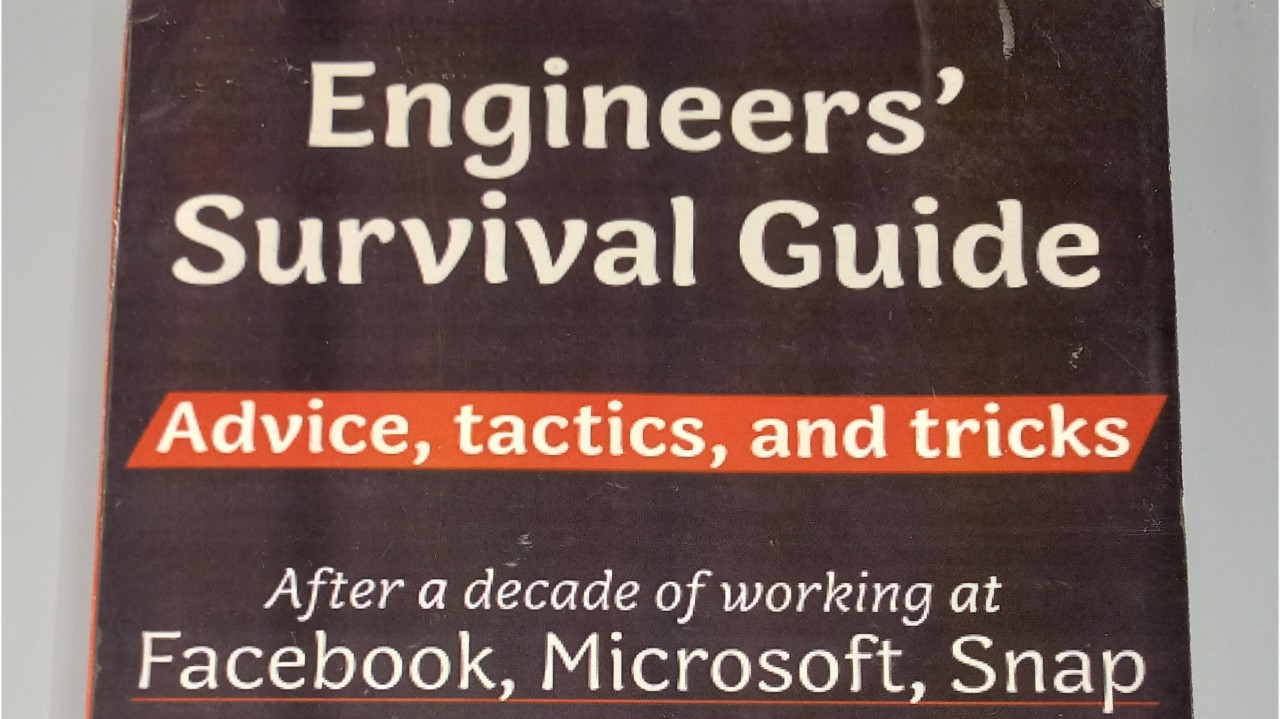
Engineers Survival Guide Book (Photo Credit: Google)
You can learn limitedly from your experience because it is limited, but you can learn from others’ experience because it is limitless.
Book introduction
Engineers Survival Guide: Advice, Tactics, and Tricks by Merih Taze serves as a practical and insightful resource designed to help engineers navigate the complexities of the workplace and careers from his years of experience.
Unlike traditional technical books, this guide focuses on both non-technical and real-world aspects of an engineer’s journey, like team dynamics, leadership, dealing with imposter syndrome, and making an impact beyond just writing code.
The advice, tactics, and tricks are so related that you will find it really helpful to grow and survive as well.
About Author
Merih Taze is a software engineering leader with extensive experience in the tech industry. He is currently Senior Software Engineering Lead at Facebook (previously Microsoft and Snapchat).
He has extensive knowledge of mission-critical, low-latency, distributed system design and strongly believes in communication and soft skills, which are sometimes undervalued but critical to success.
Beyond his book, Taze actively shares his knowledge through mentoring, writing, and speaking engagements, focusing on career growth, engineering best practices, and leadership development.
High-level Overview
Engineers Survival Guide is a practical, no-nonsense guide aimed at helping software engineers navigate the non-technical challenges of their careers. Unlike traditional programming books that focus on coding and algorithms, this book addresses the essential soft skills and workplace dynamics that engineers must master to succeed.
The book covers key areas such as:
- Career Growth & Development - How to progress from a junior engineer to a senior role and beyond.
- Effective Communication - Tips on working with managers, peers, and cross-functional teams.
- Handling Workplace Challenges - Strategies for dealing with difficult coworkers, imposter syndrome, and office politics.
- Leadership & Influence - How to step up as a leader, even without a formal leadership title. Productivity & Work-Life Balance - Ways to stay efficient while avoiding burnout.
Each chapter provides actionable insights, real-world advice, and relatable anecdotes to help engineers overcome common obstacles in the tech industry.
Insights and Learning
- Technical skills alone aren’t enough: Being good at coding is important, but communication, teamwork, and problem-solving matter just as much.
- Ask questions early with data: Don’t be afraid to ask for help or clarification. It’s better to ask early than to waste time going in the wrong direction. Data-driven decisions and questions always come with great clarity.
- Feedback is a gift: Accept constructive criticism with an open mind. It helps you grow and improve.
- Soft skills set you apart: Clear communication, teamwork, and leadership skills can make you stand out from others with similar technical abilities.
- Take ownership: Instead of waiting for instructions, take initiative and responsibility for your work. This shows leadership potential.
- Build strong relationships: Good relationships with teammates, managers, and other departments make work easier and more enjoyable.
- Office politics exist; learn to navigate them: Understanding workplace dynamics helps you avoid unnecessary conflicts and advance in your career.
- Stay curious and keep learning: The tech industry changes quickly, so continuous learning is essential to staying relevant.
- Don’t take failures personally: Mistakes and setbacks happen to everyone. Learn from them and move forward.
- Understand the business impact: Engineers who align their work with business goals are more valuable to their companies.
- Work-life balance matters: Burnout helps no one. Manage your workload and take breaks when needed.
- Learn to work with managers: Good communication with your manager can help you get better projects, feedback, and career growth opportunities.
- Mentorship is a two-way street: Find mentors to learn from, and help others when you can. Both will make you a better engineer.
- Meetings matter, but don’t overdo them: Join meetings that are useful, but avoid unnecessary ones to stay productive.
- Confidence comes with experience: It’s normal to feel unsure at first. Over time, you’ll become more confident in your skills and decisions.
- Turns ideas into prototypes early: Always turn your ideas into working prototypes as fast as possible. Everyone has great ideas, but a working prototype is a game-changer.
- Adaptability: No matter what the world throws at you, keep your head on straight and keep going forward with full throttle.
- Act, then think: Stop thinking too much and start acting.
Conclusion
Engineers Survival Guide by Merih Taze is a must-read for software engineers who want to grow beyond just technical skills. It teaches important lessons about communication, teamwork, leadership, and career growth. The book reminds us that success in engineering is not just about writing great code; it’s about working well with people, taking initiative, and continuously learning.
By applying these insights, engineers can navigate workplace challenges, build strong relationships, and advance in their careers with confidence.
Table of contents:
- Introduction and Who This Book Is For
- First Day at Work and Imposter Syndrome
- The Importance of Data to Convince Others
- How Often Should You Interview?
- Learning to Say No and Brutal Prioritization
- Never Say No!
- Finding a Mentor
- Prototype Fast. First Working Prototype Always Wins
- Visibility Is Everything
- Let People Fail. Help Them Fall Slowly
- The Tiebreaker—Reaching Consensus
- The Importance of Allies in Design Discussions
- The Power of Meeting Summary Emails
- Align, Align, and Align Again
- The Power of Giving Credit
- Sharing the Responsibilities
- Taking Responsibility & Ownership
- How to Disarm Assholes
- Adaptability
- The Importance of Tools and Patterns
- Open Source Internally
- How to Get More Headcount
- Side Projects and Knowing Your Surroundings
- The Importance of Networking
- Changing Teams—Risks, Timing, Making the Switch
- How Fast to Respond to Emails/Chats
- One-on-Ones with the Leadership
- Act Then Think
- Do Not Be Scared to Take the Time Off!
- Biggest Regret
- Perfectionism—Your Biggest Enemy
- Finding an Ownership Area
- Do Not Redesign a Working System
- The Importance of the Culture
- Ambiguity
- Hold That Question
- Put it on My Tasks—Unblock Yourself
- Do You Have Some Time? Ask My Calendar
- Setting Focus Blocks
- Make People Think It Was Their Idea
- Being More Active on Interviews
- What to Expect from a Brand-New Manager43. Collecting Feedback
- Dogfooding
- The Importance of Knowing Terms—Office Jargon
- Knowing Popular Frameworks and How They Work
- Never Keep All Your Eggs in The Same Basket
- The Importance of Positive Surroundings
- Being the Happy Coworker
- Working at a Start-up
- Office Politics
- How to Help Your Manager Work for You
- The Importance of Intelligence
- Comparative Analysis
- Power of A/B Testing
- Logs, Events, Metrics and Dashboards
- Debuggers and Crash Investigation
- Remember It Is Not Your Company
- Playing for the Long Game
- Conclusion