Detailed Software Engineering Series:
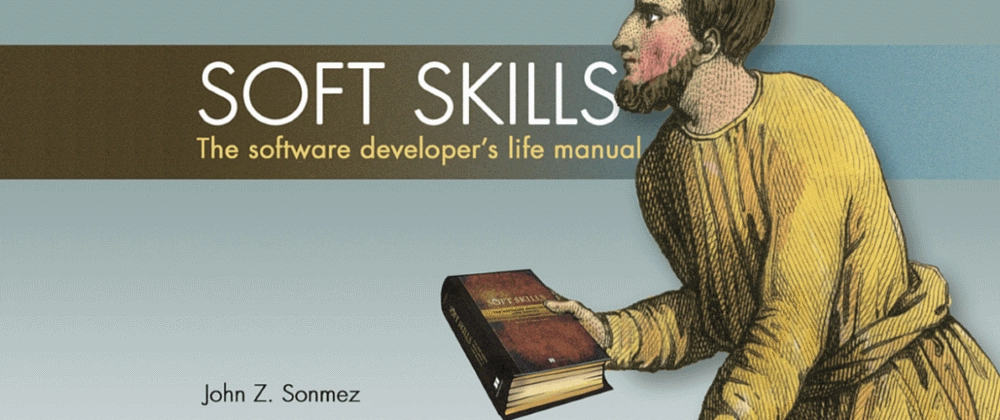
Soft Skills Book (Photo Credit: Dev Community)
Book introduction
“Soft Skills: The Software Developer’s Life Manual” by John Z. Sonmez is not a typical technical manual. Instead of diving into code or algorithms, this book focuses on soft skills, an often-overlooked yet crucial aspect of a developer’s success. This book is not about learning to code; it’s all about becoming the best version of yourself as a developer and as a person. Whether you’re a junior engineer or a seasoned pro, Soft Skills provides a well-rounded framework for success in all areas of life, including personal and financial.
About Author
John Z. Sonmez is a software developer, entrepreneur, and author renowned for his work in helping developers enhance their careers and personal lives. He is the founder of Simple Programmer, a platform offering advice on software development and career growth. Sonmez has authored multiple books, including this one and The Complete Software Developer’s Career Guide. His approach combines practical advice with personal anecdotes, emphasizing the importance of marketing oneself, continuous learning, and maintaining a balanced lifestyle.
High-level Overview
Soft Skills is a holistic guide for software developers who want to grow beyond just writing code. It addresses the personal, professional, financial, and psychological aspects of being a developer, helping readers achieve success not just at work but in life as a whole.
The book is divided into seven parts, each focusing on a key area of life and career development:
- Career: Offers practical strategies for building and advancing a career in software development, including tips on job hunting, interviewing, negotiating, and navigating office politics.
- Marketing Yourself: Emphasizes the importance of personal branding. Sonmez explains how developers can stand out by blogging, speaking, networking, and building an online presence.
- Learning: Covers how to learn new technologies quickly and efficiently. It offers methods for mastering subjects and staying current in a fast-moving field.
- Productivity: Shares tips on managing time, eliminating distractions, forming good habits, and maximizing output while avoiding burnout.
- Financial: Provides guidance on personal finance, from saving and budgeting to investing and building passive income—often overlooked skills in tech circles.
- Fitness: Discusses the importance of physical health and how fitness contributes to energy, focus, and mental clarity, which are critical for sustained success.
- Spirit: Delves into mindset, motivation, purpose, and mental well-being. It includes strategies for overcoming fear, building confidence, and finding balance.
Insights and Learning
Career Development
- Treat your career as a business; you are the CEO of “You, Inc.”
- Always be improving your skills and updating your resume.
- Don’t rely on your employer for career growth—take charge.
- Learn to navigate office politics and manage up effectively.
Marketing Yourself
- Build a personal brand through blogging, public speaking, and content creation.
- Establish an online presence (LinkedIn, GitHub, personal website).
- Being known in your field brings more and better opportunities.
- Learn to “sell yourself” effectively in job interviews and pitches.
Learning & Education
- Use a 10-step system for learning new skills quickly and efficiently.
- Focus on foundational concepts before chasing new frameworks.
- Teach what you learn; it reinforces understanding.
- Don’t fear repetition; mastery comes from consistent practice.
Productivity
- Time is your most valuable asset; schedule it deliberately.
- Use techniques like Pomodoro, batching, and deep work.
- Set clear goals and break them into actionable tasks.
- Eliminate distractions (social media, multitasking) to maintain focus.
Financial Intelligence
- Save aggressively and live below your means.
- Invest in assets, stocks, real estate, and side businesses.
- Avoid lifestyle inflation as your income grows.
- Create multiple income streams to gain financial freedom.
Health & Fitness
- Regular exercise improves cognitive performance and stamina.
- Eat a balanced diet and get sufficient sleep to stay sharp.
- Avoid the “coder lifestyle” of sitting all day and eating poorly.
- Small, consistent efforts lead to sustainable health benefits.
Mindset & Mental Models
- Adopt a growth mindset; skills and intelligence can be developed.
- Use Stoic principles to stay calm under pressure and focused on what you control.
- Overcome fear and perfectionism by taking action, even imperfectly.
- Your thoughts shape your reality; feed them deliberately.
Work-Life Balance & Purpose
- Define success on your own terms, not just salary or status.
- Find joy and meaning in your work, but don’t make it your identity.
- Allocate time to relationships, hobbies, and self-care.
- Burnout is real; pace yourself for the long run.
Execution & Taking Action
- Planning is important, but execution is everything.
- Don’t wait for permission; take initiative.
- Progress is more important than perfection.
- Everything ends with action; do them.
Conclusion
Soft Skills is more than a book about programming. It helps software developers live better lives, at work and at home. It teaches you how to grow your career, manage your time, stay healthy, and build good habits. It also shows you how to learn faster, earn more money, and find balance.
The main message is: being a great developer is not just about writing code; it’s about improving yourself in every part of life.